

In this article
Should I clean a dark coin, and is my album safe?
Do not clean a collectible coin just because it has turned dark. Leave the surface untouched, photograph both sides and check its holder. Dark color alone does not establish damage. An oily film, powdery deposits or a changing patch needs closer assessment before treatment.
A suitable album protects coins without exposing them to harmful materials or rubbing. Choose documented PVC-free pages and acid-free cardboard, check the fit, and keep the collection cool and dry. If a coin is stuck to deteriorating plastic, seek help before removing it.
1. Does a dark coin need cleaning?
No. The useful question is what is happening to the surface, not whether the coin still looks bright.
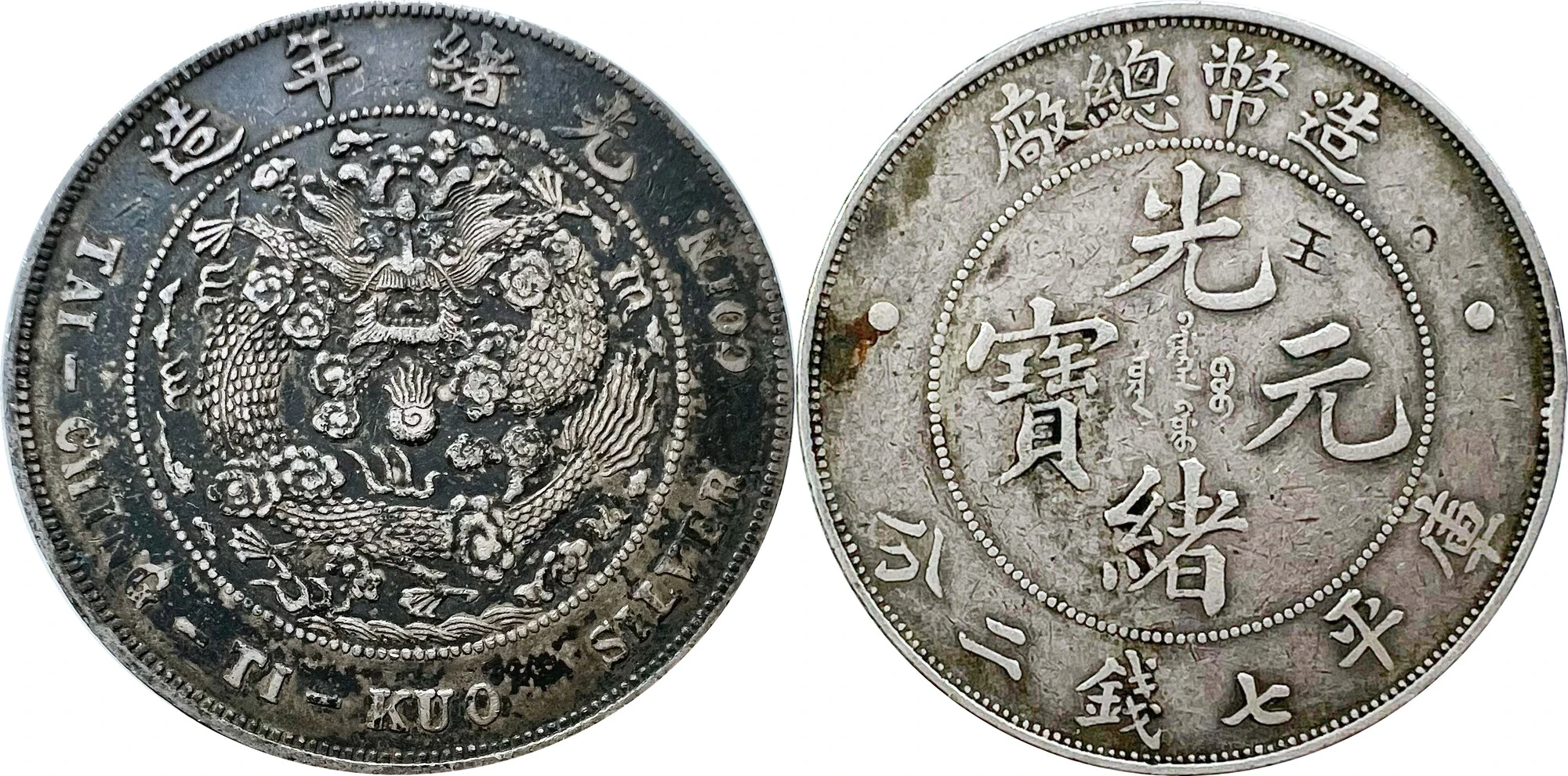
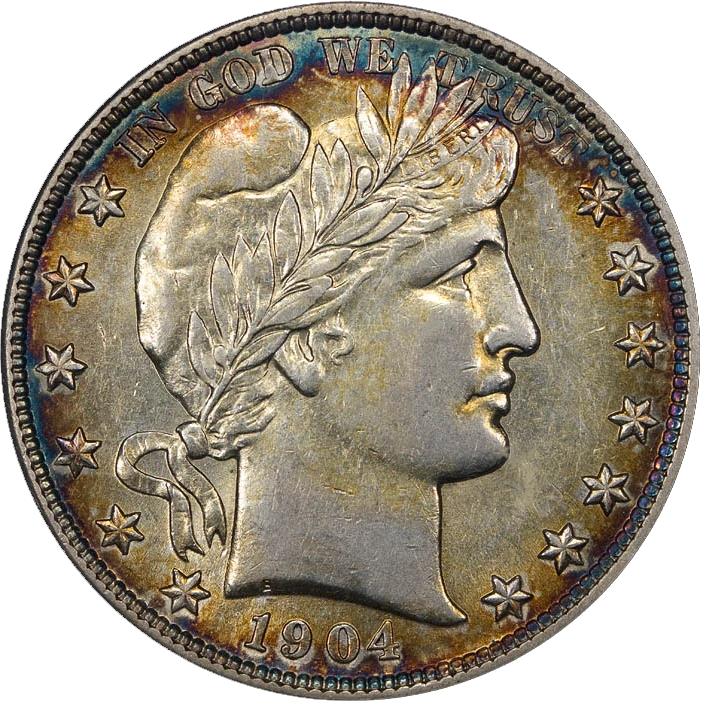
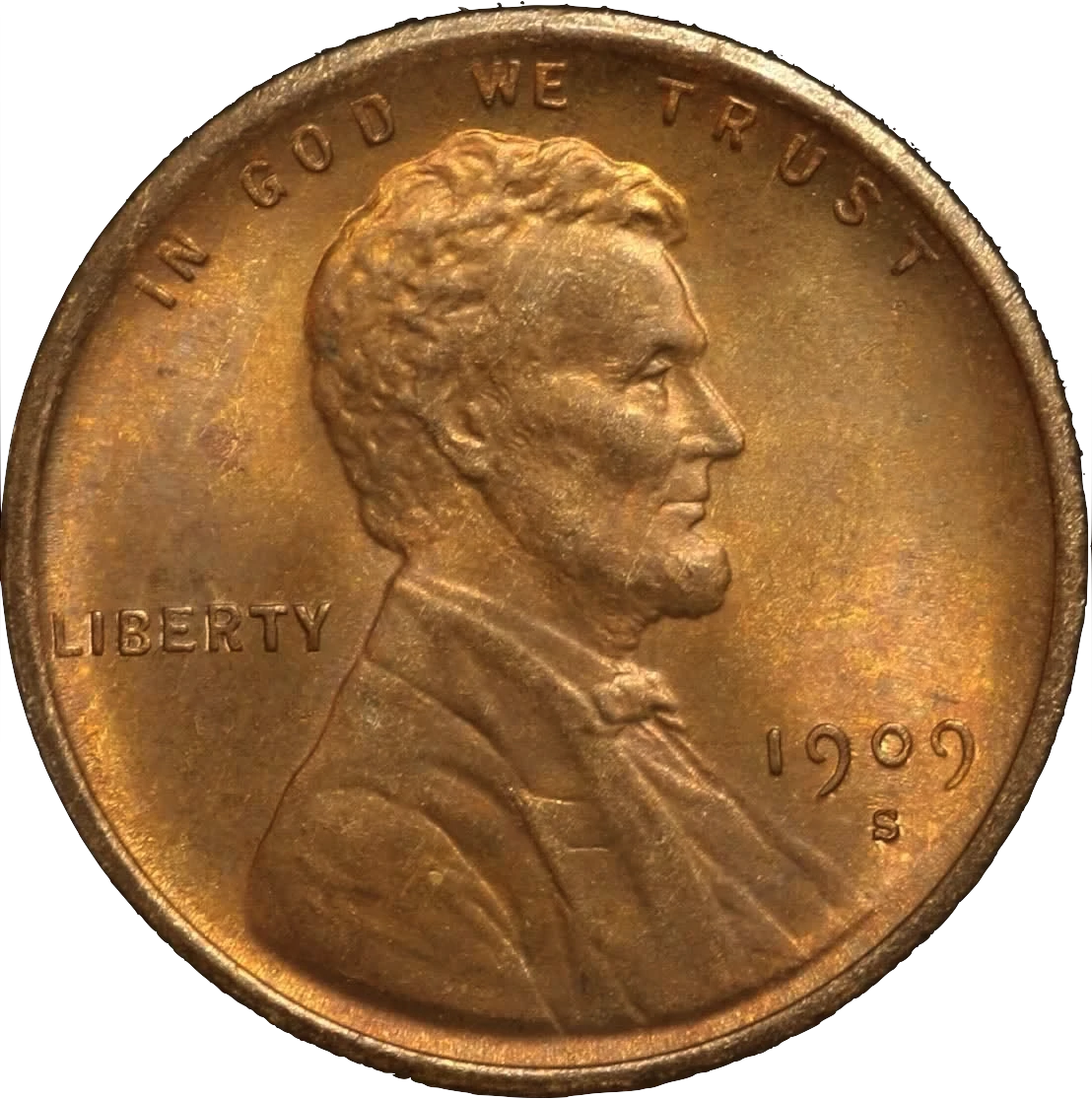
Toning develops as a coin’s surface reacts with its environment. Silver can acquire yellow, blue, gray or dark coloration; copper can lose its original reddish appearance and become brown. A color change does not, by itself, establish damage or a need for treatment. Nor does attractive color prove that toning is natural or that a coin is valuable. PCGS discusses this distinction in its guidance on originality and toning.[1]
A dark area could also conceal dirt, residue or an altered surface. Look in even light and change the viewing angle without touching the face of the coin. Take a full photograph and a close-up of the area that concerns you. One photograph is rarely enough to establish the cause of discoloration or whether it is progressing.
For a coin that has remained unchanged in suitable storage, documenting its appearance is a sensible starting point. For a coin developing new deposits or stored in deteriorating plastic, investigate the holder and surface condition rather than waiting for the whole coin to change color.
The aim is to preserve the surface, not to make every coin shiny.
2. What should I do about the surface I can see?
Use the following observations to choose a next step. They are screening clues, not a diagnosis from color alone.
Dark or brown color with no obvious deposit
Leave the surface untouched. Record what you see and check the storage materials. Compare later photographs taken under similar lighting; a brighter lamp or different camera exposure can make the same coin appear to have changed.
Do not assume that dark means worthless or that bright means well preserved. If the coin may be important, ask about its condition before trying to improve its appearance.
Greenish, oily or sticky-looking film
This can be associated with contamination from unsuitable plastic holders. NGC describes green, oily film as a warning sign of PVC-related residue and advises against PVC products for long-term coin storage.[2]
Do not rub the coin to find out whether the film comes off. Set the affected holder aside from the rest of the collection and ask a conservation specialist how to proceed. If the coin is stuck, do not pull it free. Green color alone is not enough to identify PVC contamination.
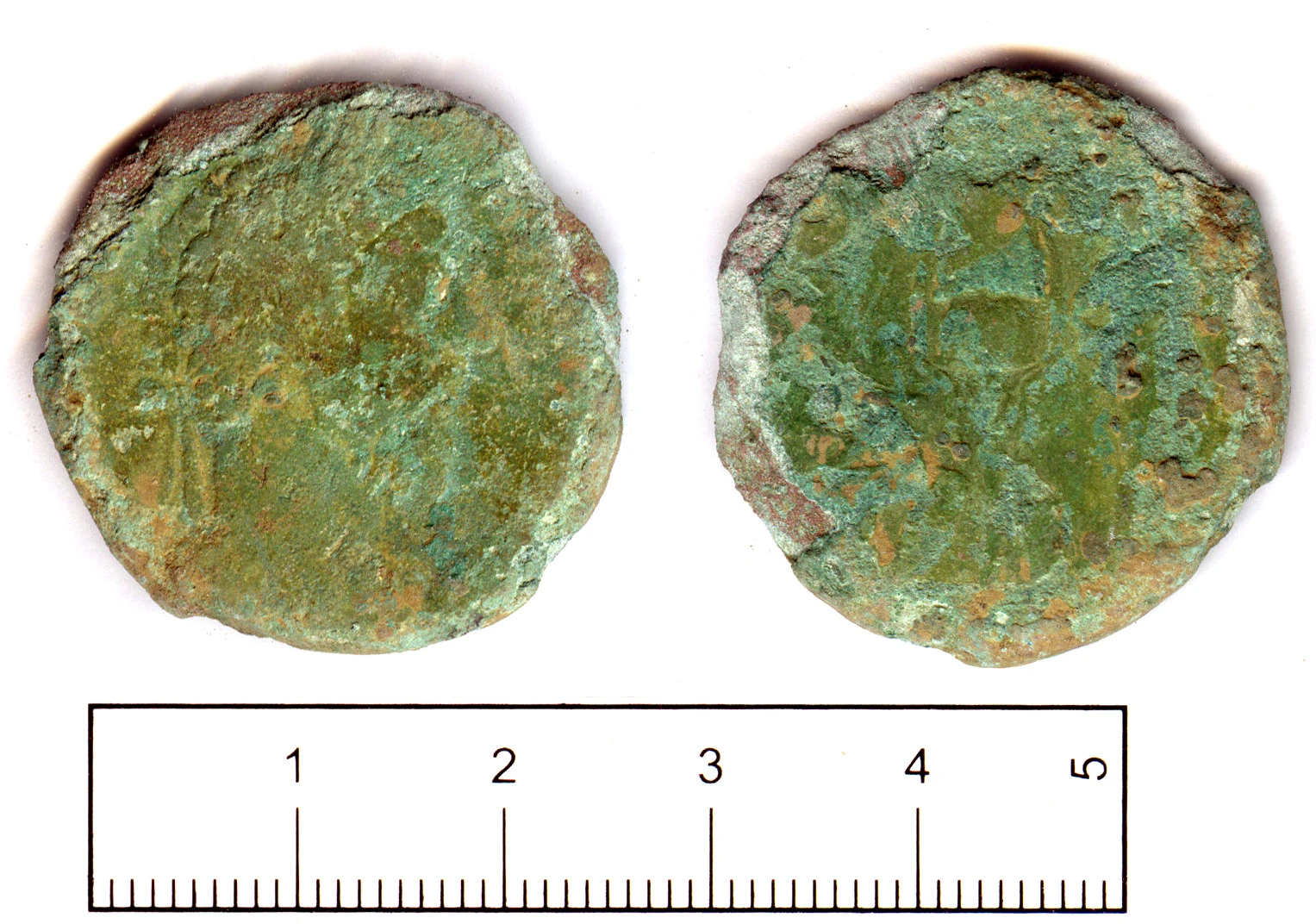
Powdery deposits, flaking or a visibly changing patch
Treat these as reasons for further assessment. PCGS describes powdery green growth as one possible appearance of corrosion on copper and bronze coins.[3]Photograph the affected area and note whether it has changed since the last inspection. Keep any loose material undisturbed rather than brushing it away for a clearer picture.
.jpg)
A fingerprint, haze or dirt of uncertain origin
Avoid wiping it with a tissue, sleeve or cloth. Record the mark and ask whether treatment is appropriate for the particular metal and surface. A mark that looks easy to remove may not be superficial.
3. What should I avoid doing?
Avoid rubbing, polishing or experimenting with household cleaners on collectible coins. In particular, do not use metal polish, a silver-cleaning cloth, abrasive paste, an eraser or a brush to make a coin look newer. The Canadian Conservation Institute cautions against coin dips and metal-cleaning products for coins.[4]
A before-and-after photograph showing a brighter coin is not proof that the treatment preserved it. Surface alteration can matter even when the design remains readable. NGC distinguishes improperly cleaned surfaces and other condition problems in its Details Grading guidance.[5]
Do not use a potentially collectible coin to test a cleaning method found in a short video. If its identity or value is unknown, identify it first. If you have already cleaned it, stop further treatment and record what was used. Additional polishing will not undo the first attempt.
Our guide torecognizing coins that have been cleanedexplains the visible signs. This article focuses on what to do next and how to improve storage.
Is professional conservation the same as polishing?
No. Professional conservation assesses a specific surface problem and whether it can be treated appropriately. NGC’s conservation examples show that PVC residue can be removed professionally, but that does not mean every discolored coin needs treatment or that existing damage can always be reversed.[6]
Before sending a coin, ask what problem the service would assess, what the charges cover and how the coin should be packaged. Do not assume conservation guarantees a higher grade or a higher selling price.
4. Can a coin album damage my coins?
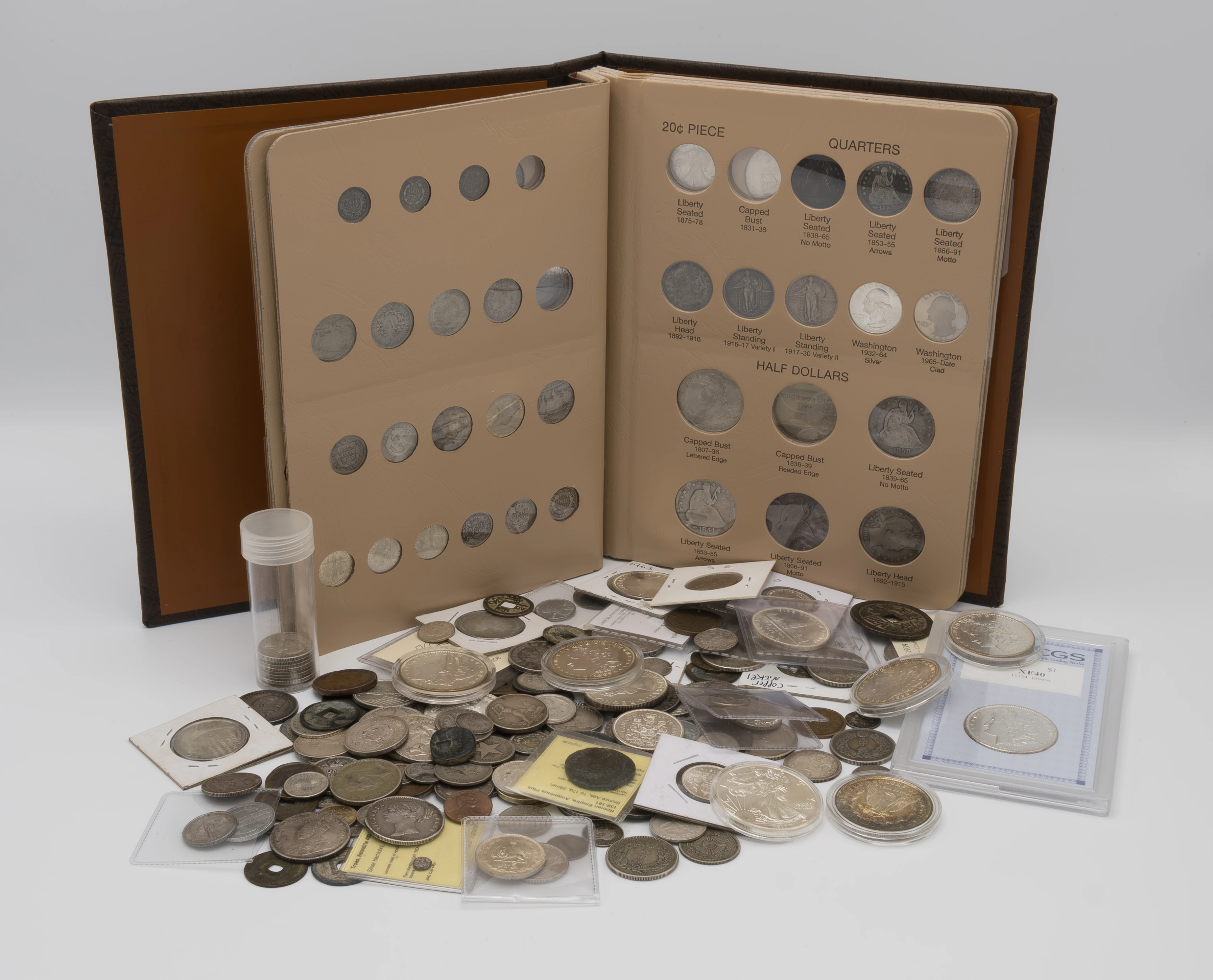
Yes, an unsuitable album can expose coins to harmful materials or physical contact. The word “album” does not tell you whether it is suitable for long-term storage. Check the actual pages, inserts and holders, not just the cover or product photograph.

Check the materials
Look for explicit material information from the manufacturer. The U.S. Mint recommends acid-free cardboard and plastic holders free from PVC.[7]A vague claim such as “premium” or “collector quality” does not answer those questions.
If an older album has no material information, note the uncertainty and plan suitable replacement storage. NGC explains that identifying PVC holders by appearance can be difficult; softness or clarity alone is not a reliable guarantee.[2]
Check what touches the coin
Open a page slowly and inspect the fit. Does a plastic slide pass across a raised design? Can coins slip out and touch one another? Are staples, rough edges or loose debris close to the surfaces? Do not force an oversized coin into an opening or press its face to seat it.
Make these checks before filling a new album. If coins already occupy it, photograph the arrangement first so a storage change does not lose their identities or locations.
Check the condition of the pages
Inspect for stickiness, distortion, damaged pockets or signs of moisture. If several coins in one page develop similar marks, record the pattern and investigate that page rather than treating each coin as an unrelated problem.
Replacing questionable pages is a storage decision; it is not permission to clean the coins. Where a coin is stuck or the surface is unstable, ask for help with the transfer.
5. Which storage option should I use?
Choose a holder for the coin and how you need to handle it. No single format removes the need to check materials and surroundings.
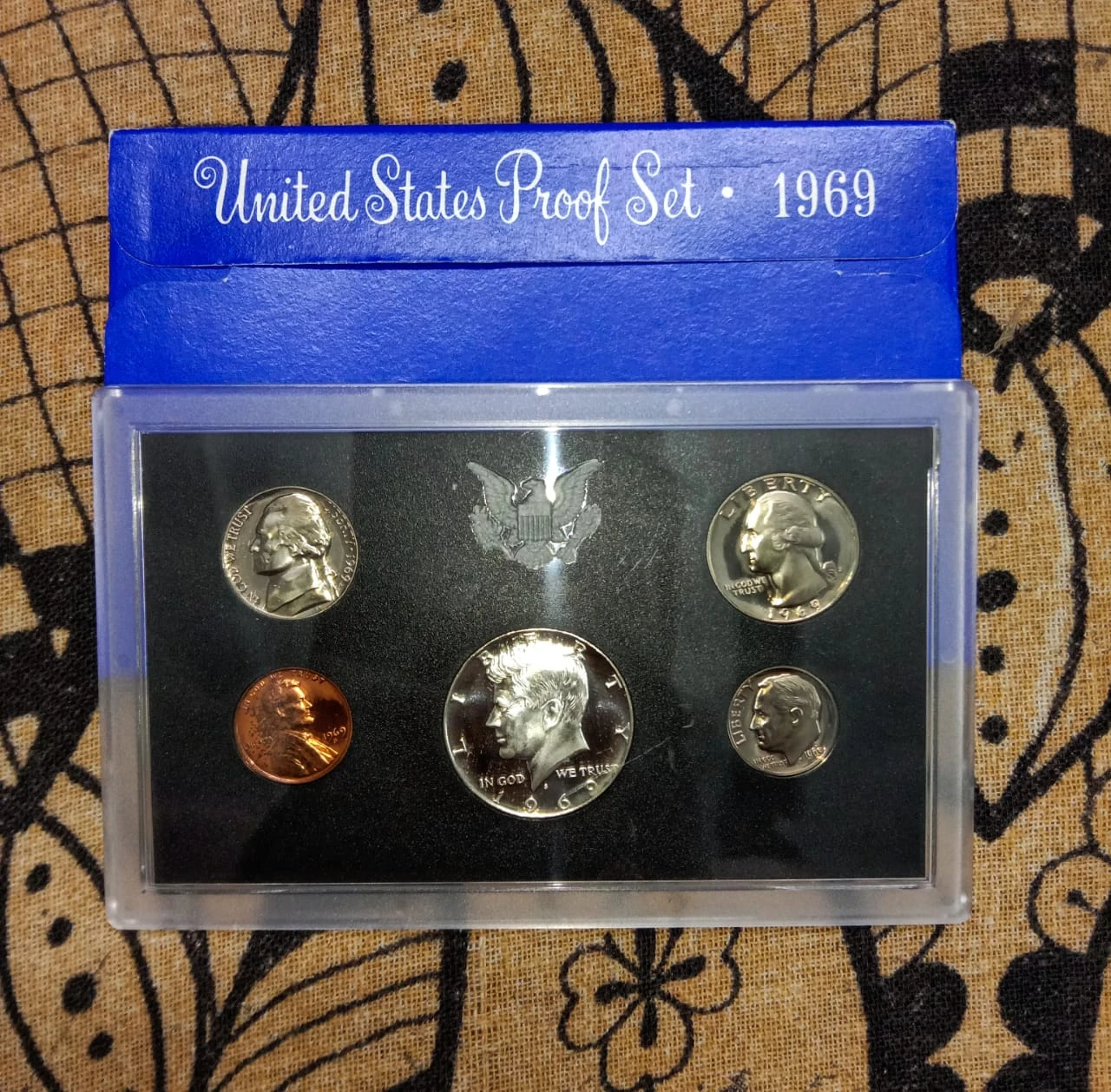
- Original mint packaging: Keep suitable, intact original capsules, cases and accompanying documents together. Do not remove coins just to make all your storage look uniform.
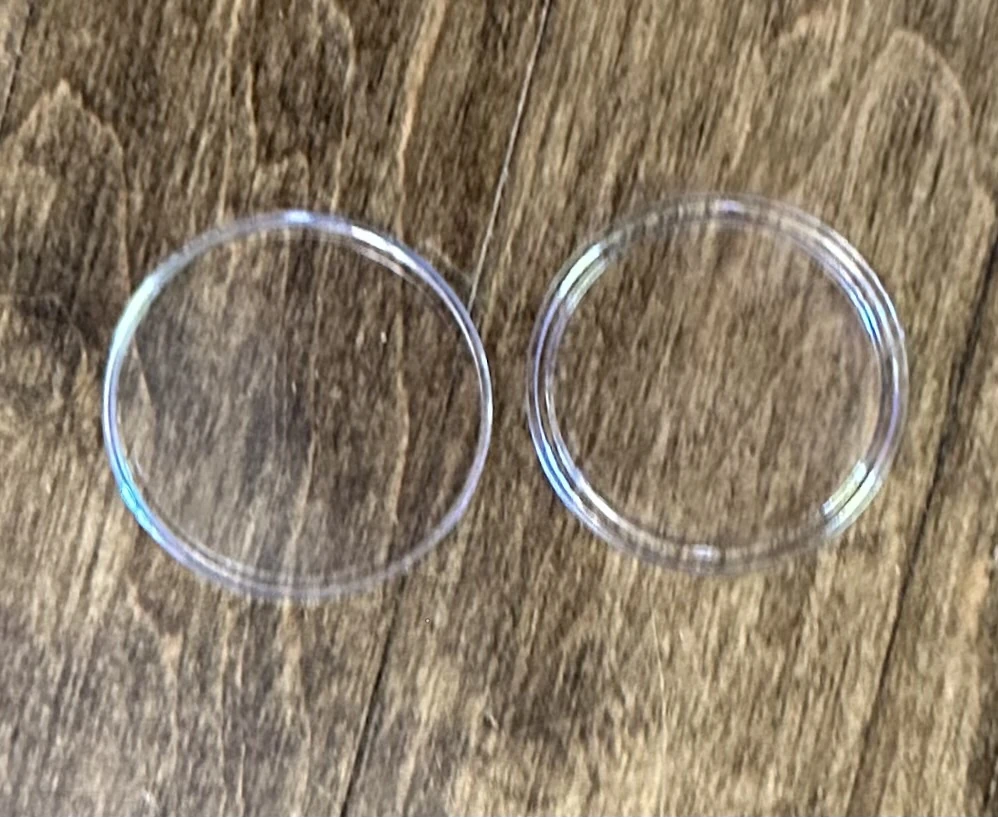
- Individual capsules: Consider these when you want to examine a coin without touching it. Check the specified size and insert material; do not force a poor fit.
- Coin flips or cardboard holders: Useful for organizing individual pieces with labels. Verify the plastic and cardboard materials, and make sure closures cannot scratch neighboring coins.
- Albums: Useful for seeing a series together. Choose documented materials, check page contact and fit, and give each position a reference you can record.
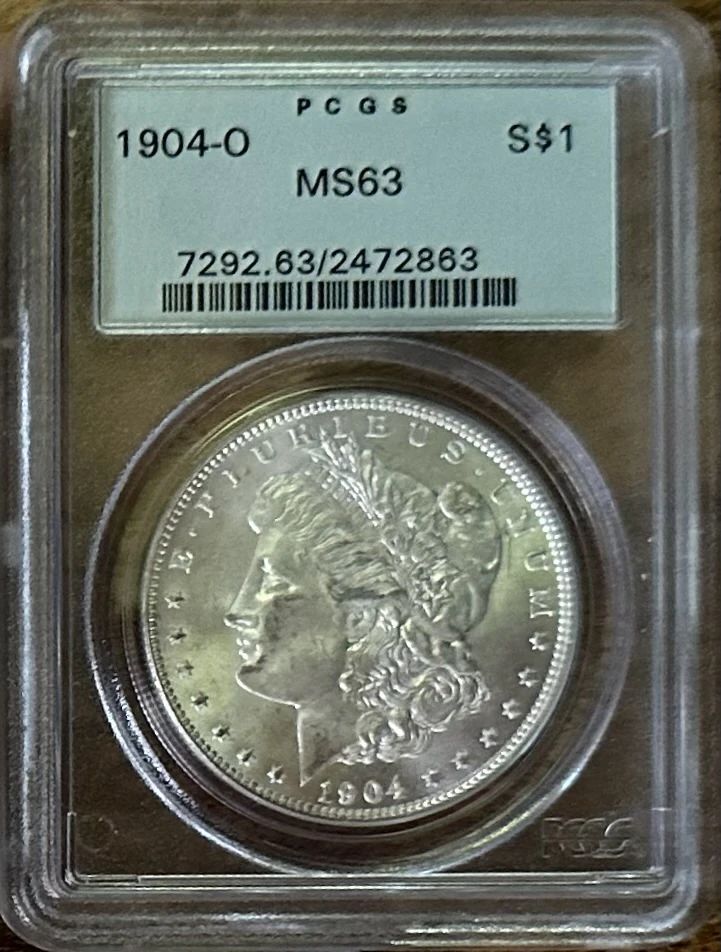
- Certified holders: Keep the coin in its intact grading holder. If the holder is damaged or the coin appears to be changing inside it, contact the grading service for advice.
A practical arrangement is to protect each coin appropriately and use a separate inventory to organize the collection. You do not have to move every coin into the same album to keep the records consistent.


6. Where should I keep the collection?
Choose a cool, dry indoor location with reasonably stable conditions. Avoid leaving coins where they are exposed to moisture or repeated temperature changes. A closed holder does not make the surrounding environment irrelevant.[7]
Be cautious about improvised wrapping and display materials. PCGS notes that nearby storage materials, including ordinary tissue and cardboard boxes, can affect reactive metals such as silver and copper.[8]Keep coins in suitable holders rather than directly against miscellaneous paper, cloth or decorative lining.
Build a simple inspection routine. Check the collection after a move, a leak or a change of storage materials, and compare it periodically with your earlier photographs. The interval can depend on the environment and any concerns already identified; there is no need to invent a universal monthly rule.
During an inspection, look at both the coin and its container. A replacement holder will not automatically remove residue already on the coin, so record any existing problem separately from the storage improvement.
7. Keep a record of the coin and its storage
A useful record makes later changes easier to recognize. Save:
- The coin’s identity, or a clear note that it remains unconfirmed.
- Photographs of both sides and any area of concern.
- The date of the photographs and a short description of what is visible.
- The holder or album used, plus its material information when available.
- The album, page and slot, or the box and individual coin ID.
- Any storage change or treatment, including who performed it.
For example:C014 · Album A · page 2 · slot 4 · brown surface, no loose deposit observed · photographs saved before replacing the page. This is an illustrative note, not a diagnosis of a real coin.
If you use HeriBase to identify and save a coin, keep its physical location linked to your collection record. A separate note or spreadsheet can hold additional storage details. Thefirst-collection guideexplains how to connect saved records with an album location.
For a collection received from a relative, preserve the old labels and arrangement before moving anything. Ourinherited coin collection guidecovers that first inventory.
Frequently asked questions
My silver coin is black. Is it ruined?
Not necessarily. Dark color alone cannot establish the condition of the underlying surface. Leave it untouched, inspect for deposits and storage problems, and seek an assessment if the coin is important or the surface is changing.
Should I clean a coin before selling or grading it?
Do not clean it simply to improve its appearance for a buyer or grader. Identify the coin and assess its condition first. If contamination is suspected, ask about professional conservation before attempting treatment.
Are all plastic coin pages unsafe?
No. The material matters. Look for documented PVC-free pages intended for coin storage, then check their condition and how they contact the coins. Clear or flexible plastic is not enough information by itself.
Can a coin still change color in a capsule or grading holder?
Yes. Encapsulation is not a promise that the surface will remain unchanged forever. PCGS specifically notes that environmental conditions can affect copper color even after encapsulation.[9]Continue checking the storage environment and the coin’s appearance.
Should I immediately remove every coin from an old album?
First photograph and label the collection, then check the album materials and condition. If storage is unsuitable, plan a careful transfer. Do not pull a stuck coin from a pocket or open a certified holder as part of routine sorting.
Preserve the surface and improve the storage
Respond to the condition, not simply the color. A dark coin is not automatically damaged, and making it bright is not a preservation goal. Photograph what you see, check for residue or continuing change, and seek specialist advice when the surface or holder raises concerns.
Start with the storage you already use: verify its materials, check that nothing rubs the coin, and keep it in a dry, stable location. Record the holder and physical position alongside dated photographs. These steps give you a practical way to notice changes and protect the collection without unnecessary cleaning.
Sources and further reading
References· 9 sources
- PCGS: Originality and Toning
- NGC: Recognizing Coin Holders That Contain PVC
- PCGS: No Grade Coins — Part VI
- Canadian Conservation Institute: Basic Care of Coins, Medals, and Medallic Art
- NGC: Details Grading
- NGC: NCS Conservation — Treating PVC Residue
- U.S. Mint: Caring for Your Coin Collection
- PCGS: Proper Coin Storage
- PCGS: Guarantee of Grade and Authenticity