

What is the coin grading scale?
The coin grading scale uses numbers from 1 to 70 to describe a coin’s condition.On the PCGS scale, circulated grades run from PO1 to AU58; regular-strike coins without circulation wear use MS60–MS70. Higher numbers generally indicate better preservation. The number describes condition, not a price or a fixed multiple of value.
How do you use it on your own coin?
- Look for wear first.Inspect raised details and the surrounding surface under changing light. AU58 permits slight high-point friction; MS60 does not permit circulation wear, although it can have conspicuous marks.
- Read beyond the number.PR identifies Proof manufacture. RB and RD describe copper color; FB describes Full Bands on Mercury dimes. A Details label identifies a problem that prevents comparison with a problem-free numerical grade.
- Then compare prices.Match the issue, variety, grading service, complete grade and surface condition across recent completed sales. A brighter coin or a higher number alone does not establish its value.
The scale below provides a starting point. The photographs then show what to inspect and why coins of the same date and mint can sell for different amounts; they are reference examples, not a substitute for examining both sides in hand.
PCGS grading scale: from PO1 to MS70
These groups summarize PCGS numerical grading standards. Learn the broad groups before trying to assign an exact number. Lower grades reflect greater loss of detail; the Mint State range distinguishes levels of preservation on coins without circulation wear.
| Condition group | Grades | General reading |
|---|---|---|
| Poor · PO | 1 | Only enough remains to identify the issue. |
| Fair · FR | 2 | Nearly flat, with traces of lettering. |
| About Good · AG | 3 | Rims blend into lettering. |
| Good · G | 4, 6 | Main outlines remain. |
| Very Good · VG | 8, 10 | Heavy wear; some interior features survive. |
| Fine · F | 12, 15 | Worn, with more recognizable detail. |
| Very Fine · VF | 20, 25, 30, 35 | Increasing definition across the design. |
| Extremely Fine · XF | 40, 45 | Light wear on raised features. |
| About Uncirculated · AU | 50, 53, 55, 58 | Limited wear, assessed alongside remaining luster. |
| Mint State · MS | 60–70 | No circulation wear; preservation varies. |
The numbered steps below 60 are selective: not every integer is used. These summaries are orientation points; each coin design requires its own grading references.
1943-D Walking Liberty half dollar: MS66 vs. MS67
Both coins were struck in Denver in 1943 and sold in Heritage auction 132418 on April 24, 2024. Their date, mint, grading service and sale date match. All auction amounts in these case studies are historical U.S. dollar totals including the buyer’s premium or auction-house commission, as reported by NGC Auction Central.
PCGS MS66
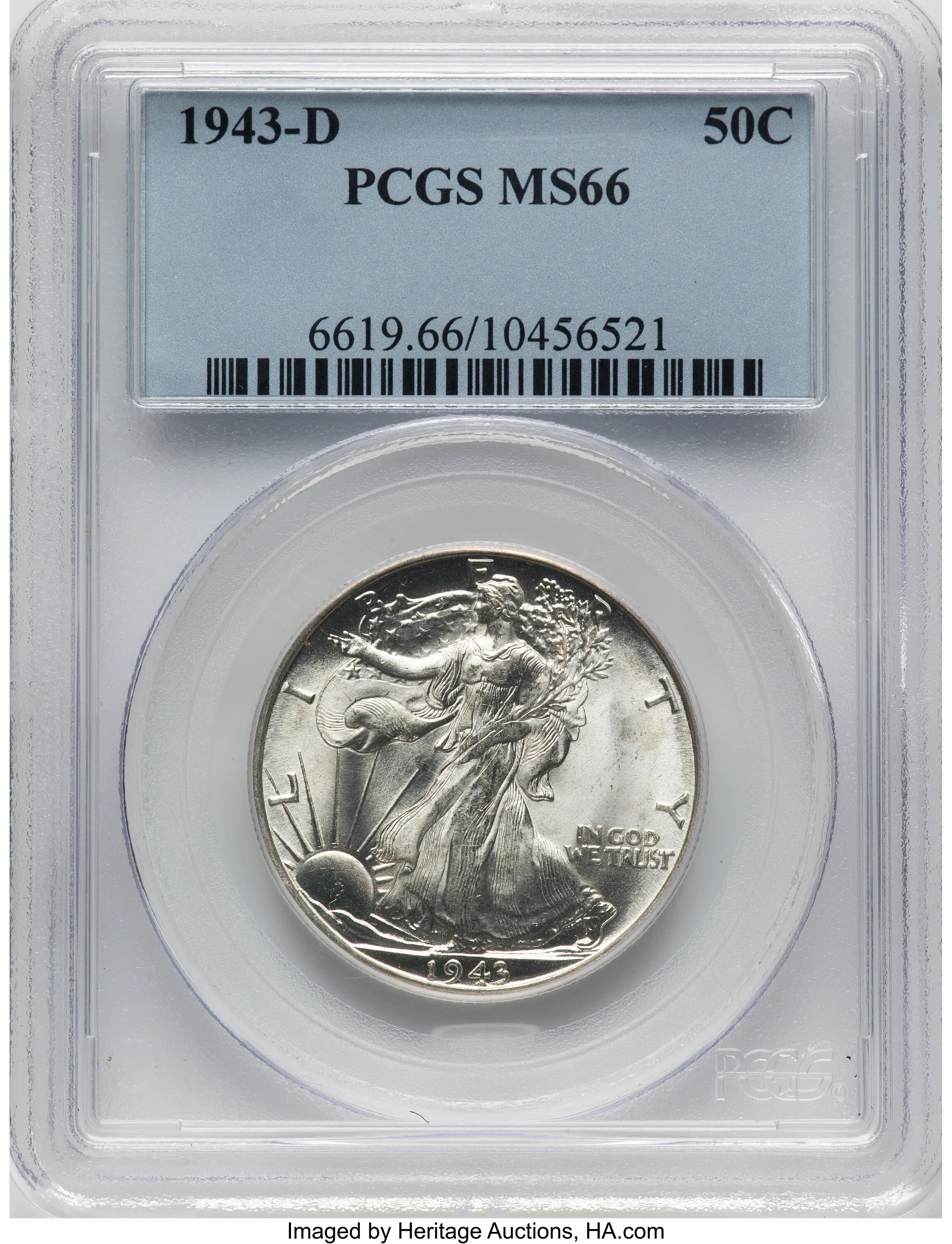
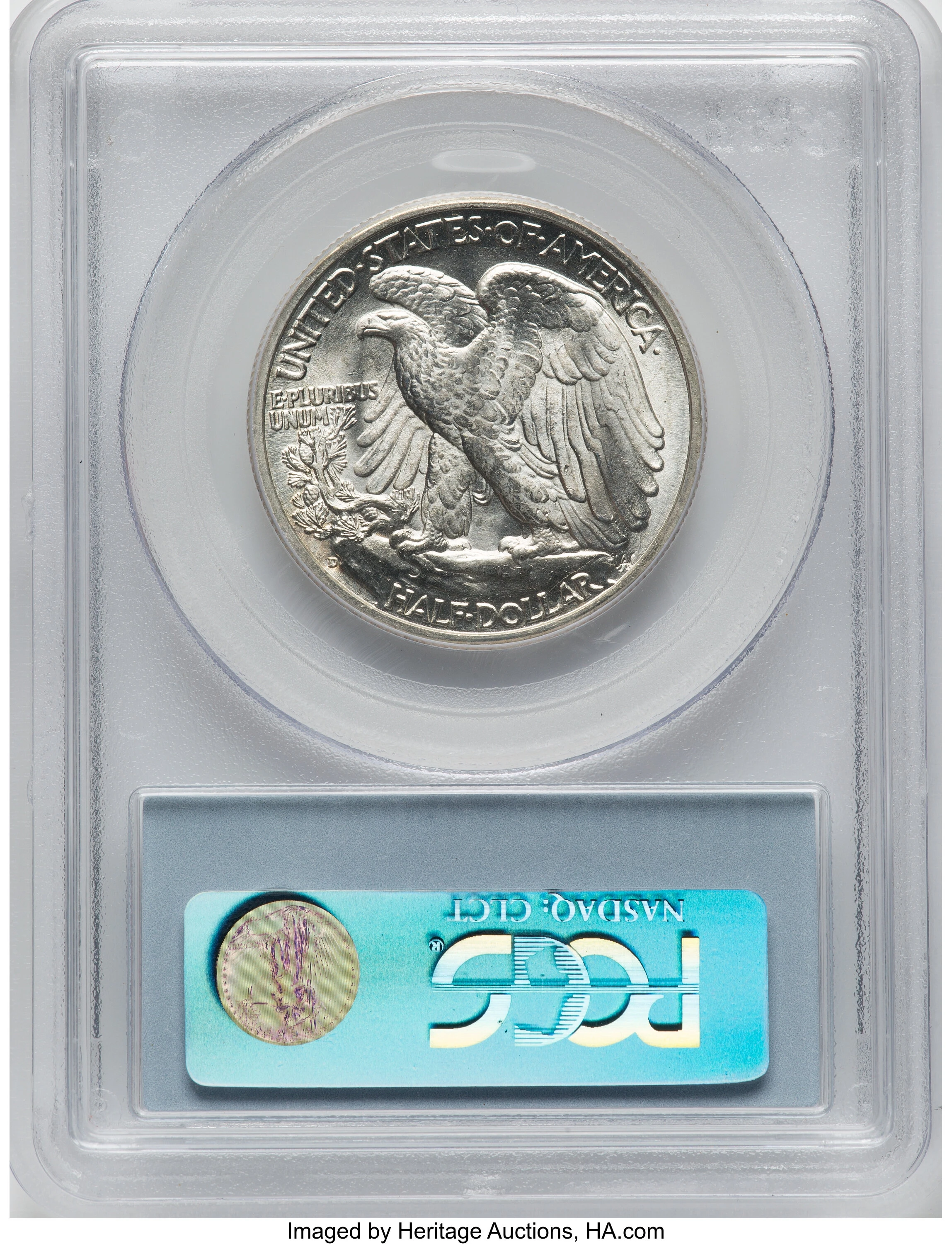
$159
Lot 21273 · Cert. 10456521
No CAC sticker is visible on the pictured holder.
PCGS MS67 · CAC
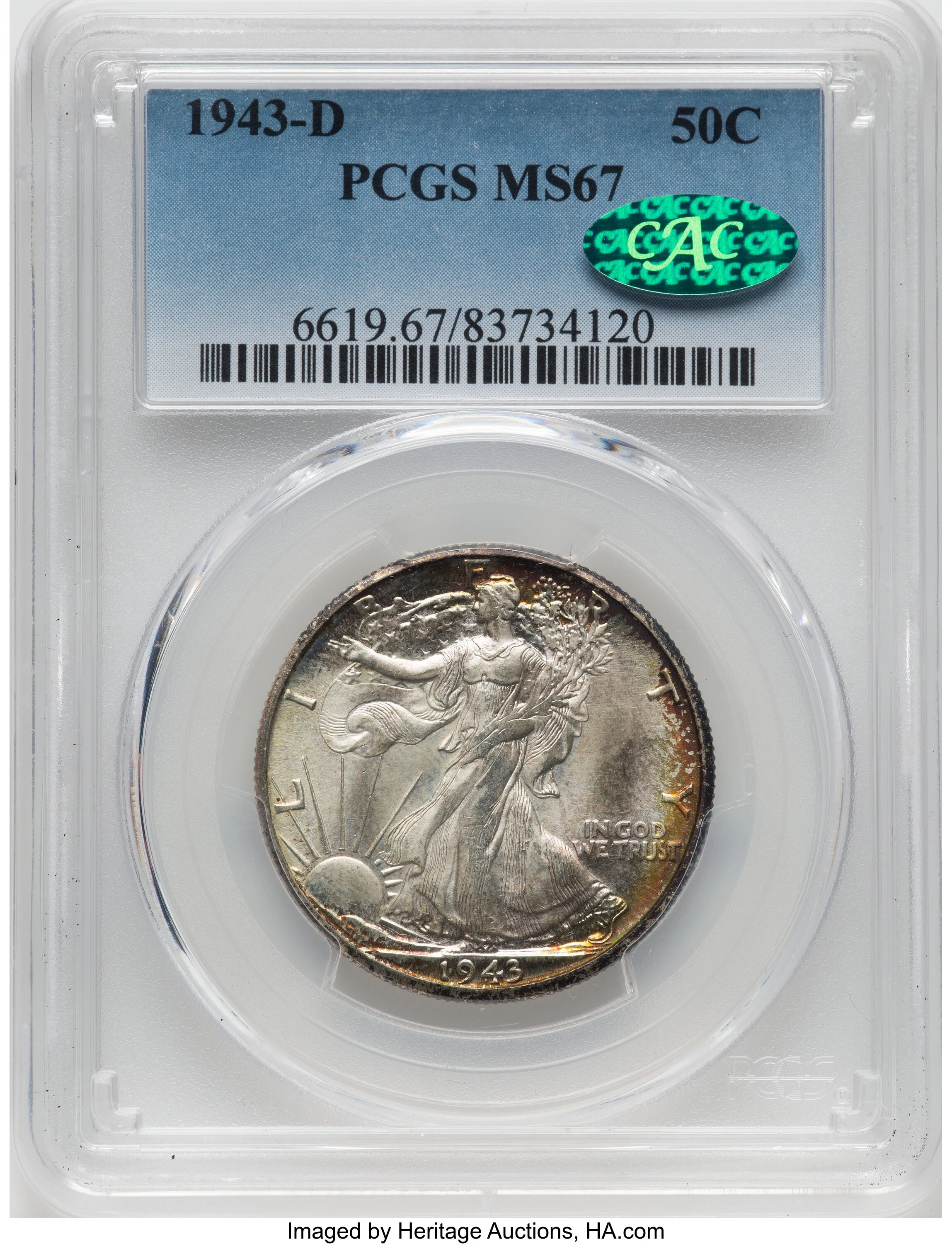
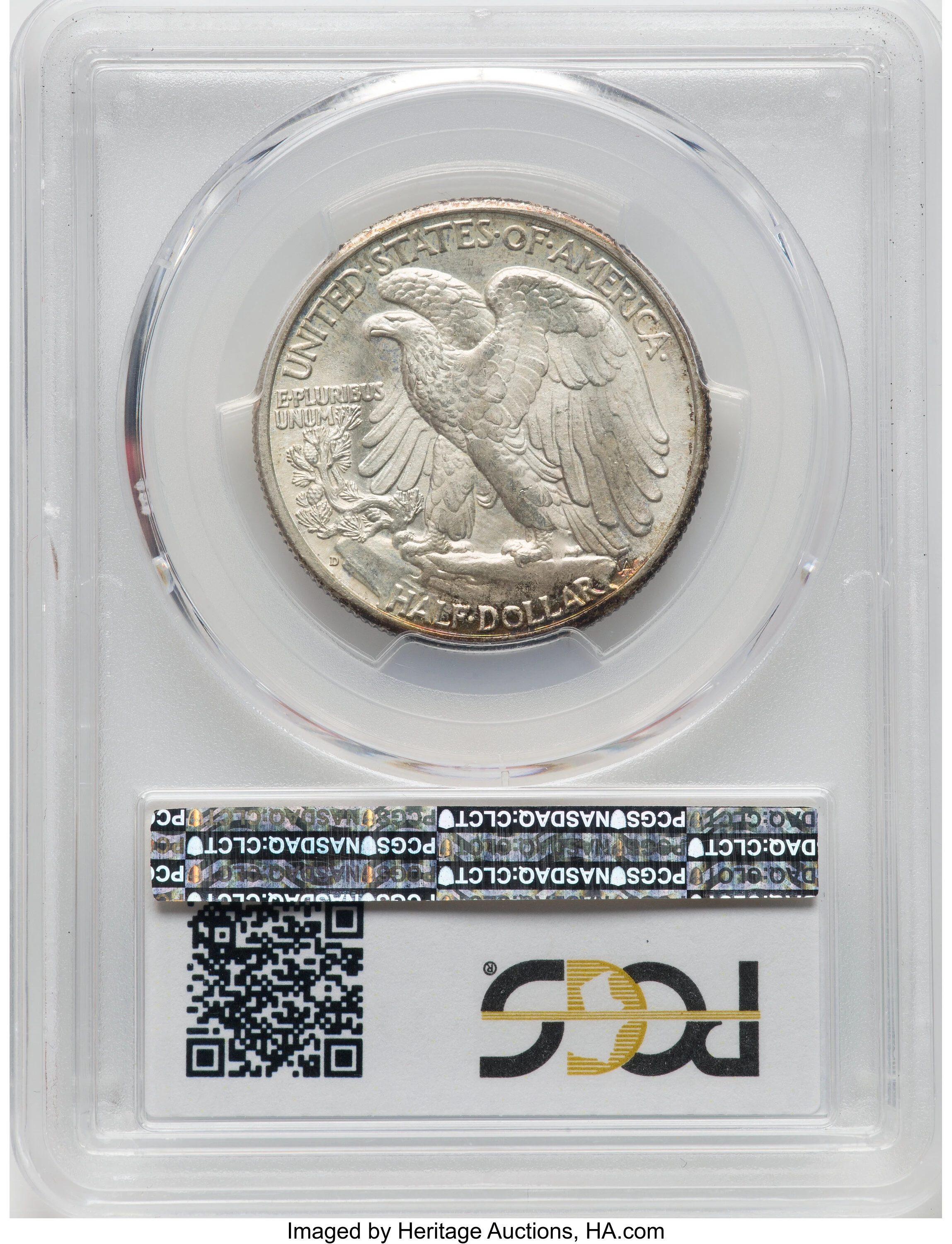
$660
Lot 21274 · Cert. 83734120
The pictured holder carries a green CAC sticker.
Where to look
In the matched close-ups, start with the open field to the right of Liberty’s torso: look for the number, depth and placement of contact marks. Then compare the hand across her waist and the skirt lines below it for definition. Use the full reverse photographs to inspect the eagle as well. Both coins are Mint State, so this is a comparison of preservation and strike—not a worn-versus-unworn test.
What explains the difference?
The higher-graded specimen also has CAC approval, so this isnot a measurement of the value of one grade point alone. Grade, additional approval, eye appeal and bidding demand all belong in the comparison. The photographs document the specimens; they do not let us reconstruct the graders’ complete examination.
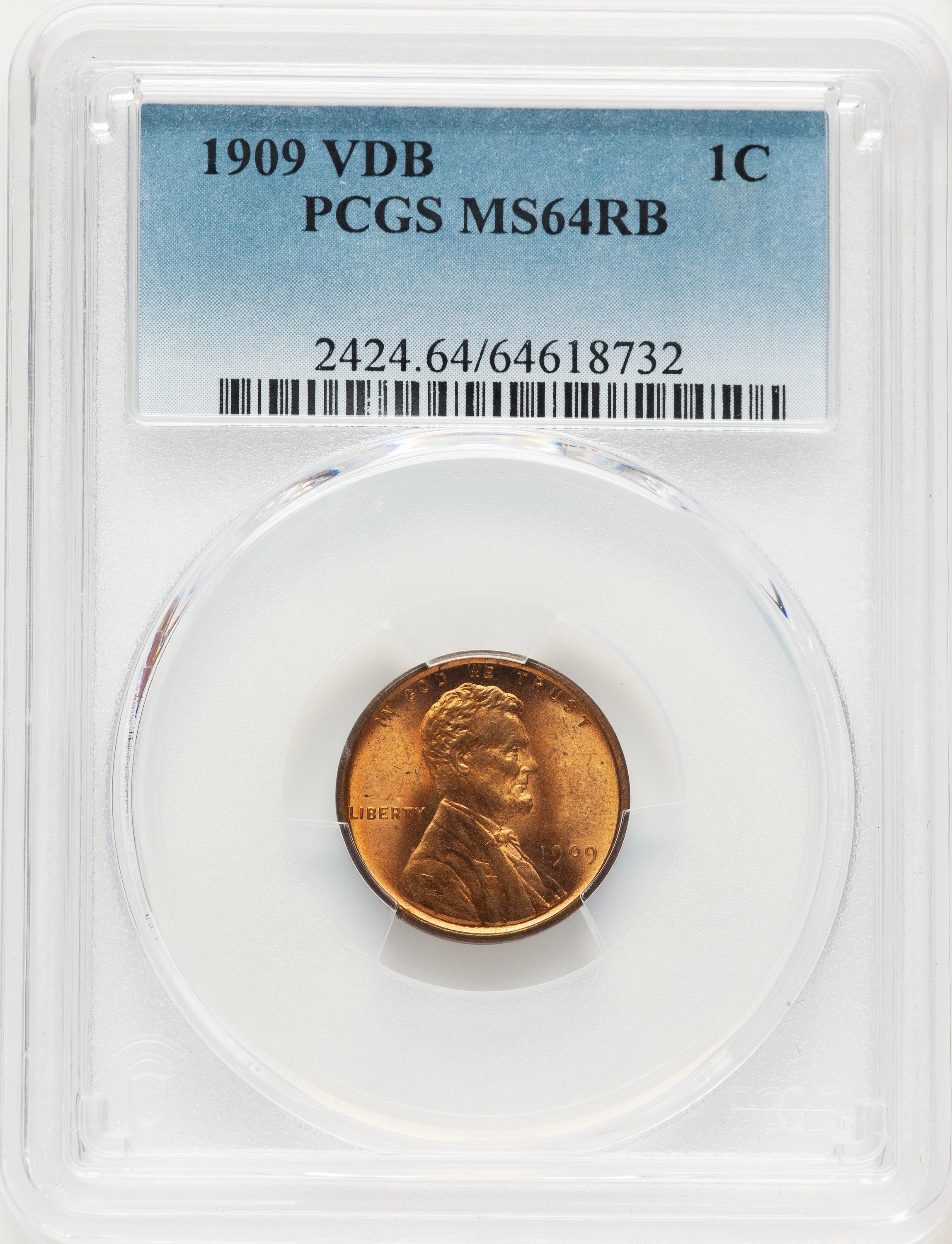
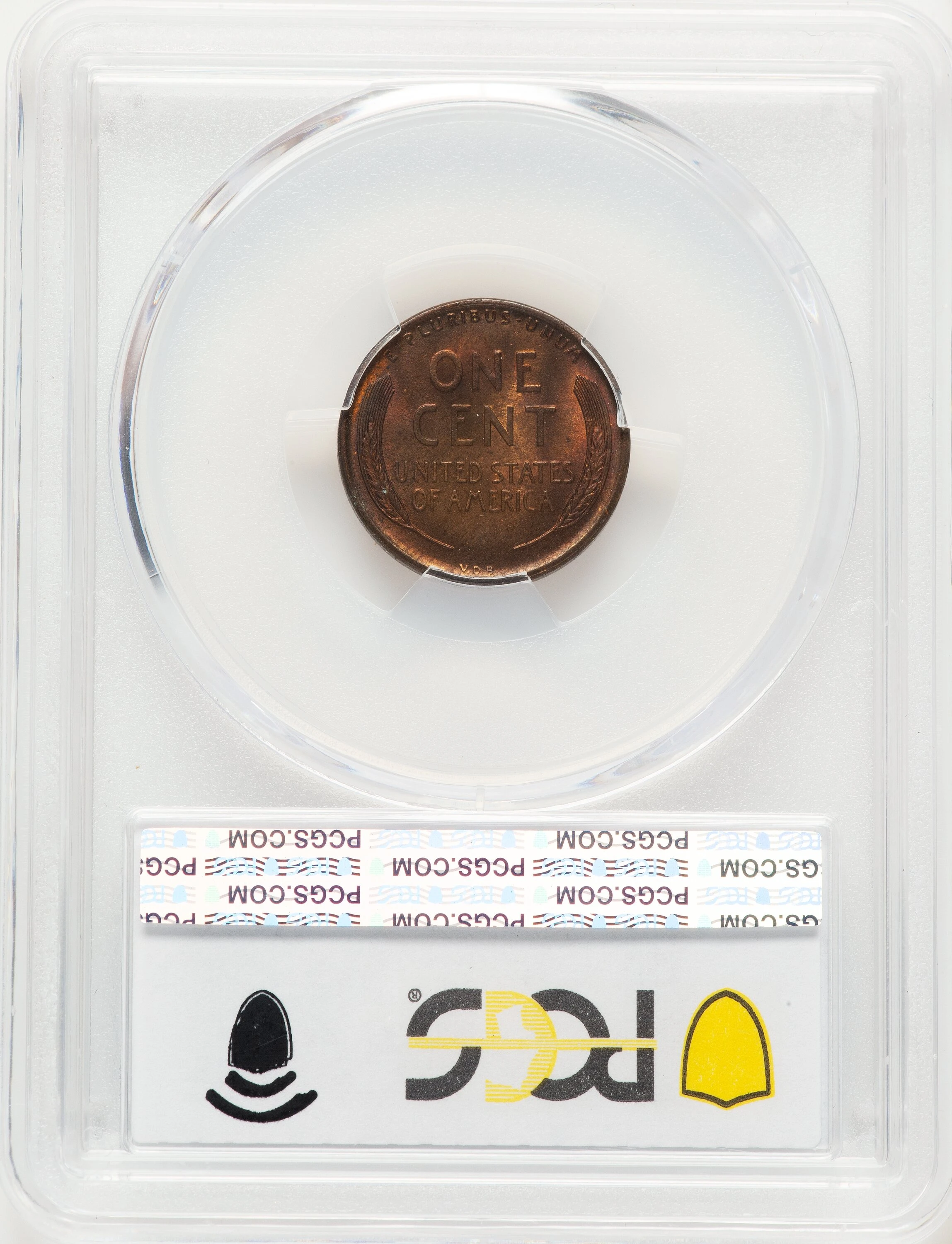
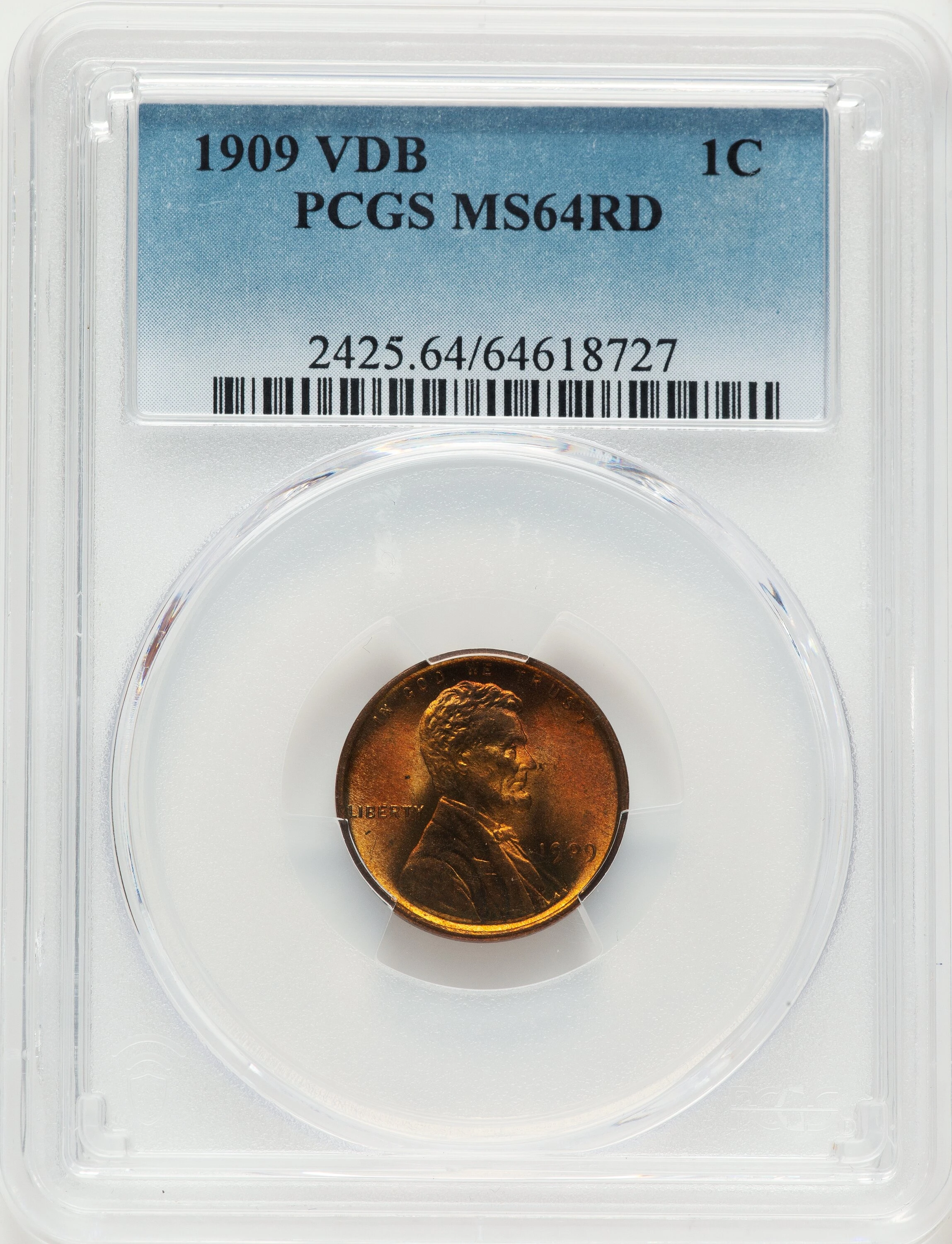
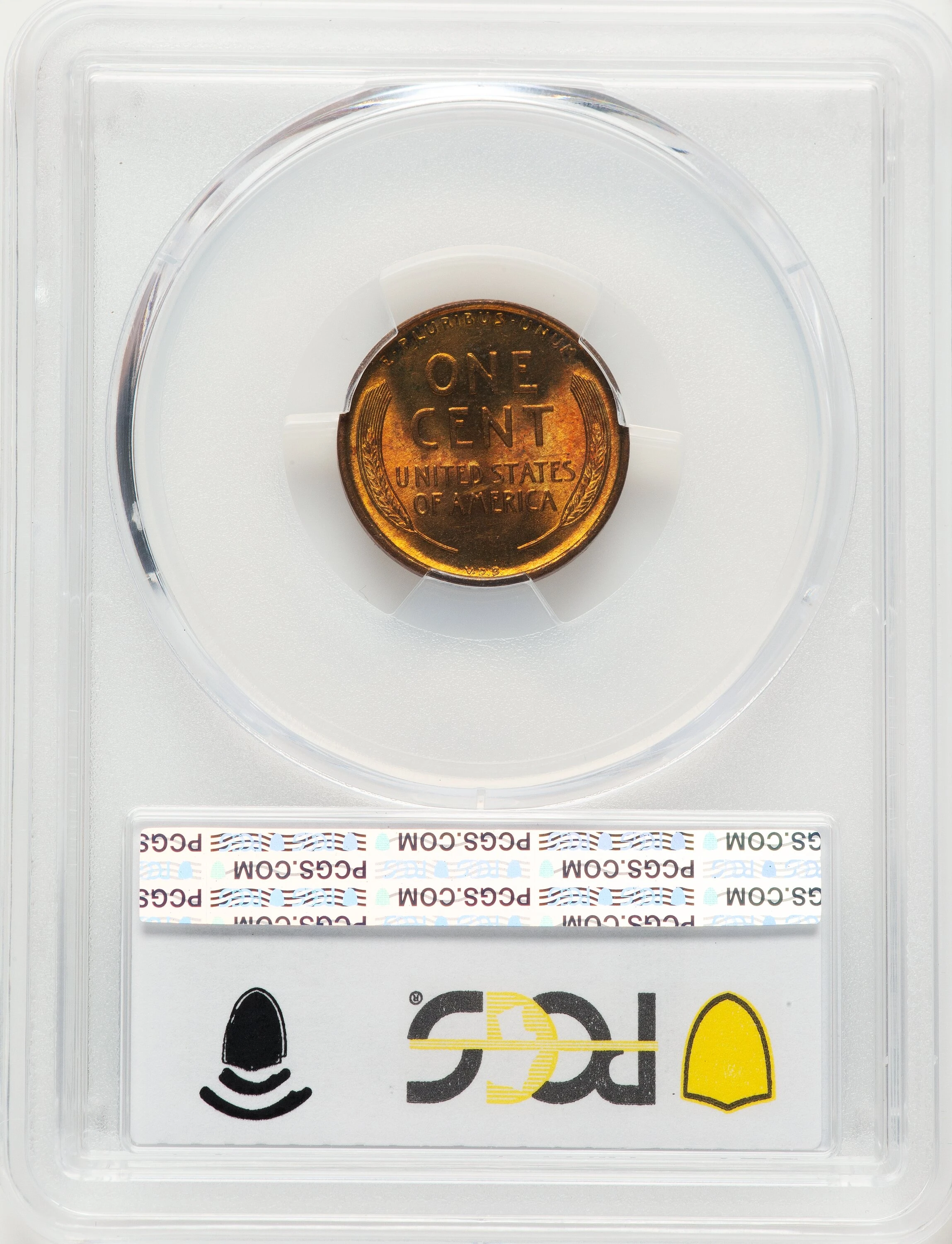
1909 VDB Lincoln cent: same MS64, different color
These Philadelphia cents both have the VDB reverse and no mint mark. Both were graded MS64 by PCGS and sold in Heritage auction 132620 on May 13, 2026.
PCGS MS64RB
$64
Lot 25052 · Cert. 64618732
RB means Red Brown.
PCGS MS64RD
$109
Lot 25053 · Cert. 64618727
RD means Red.
Where to look
Compare the fields beside Lincoln’s face and the surface of his coat. Look at the spread of reddish copper color and brown areas across the coin, rather than one bright reflection. The holder identifies the official RB or RD category: in these photographs the RD specimen looks darker in places, showing why photographic brightness alone is an unreliable color test.
What explains the difference?
The numerical grade is identical, but the color categories differ. Copper collectors distinguish Red, Red Brown and Brown coins, so “1909 VDB, MS64” is an incomplete price description. This pair illustrates a higher result for the RD specimen; it does not establish a universal RD premium or mean an attractive brown coin cannot be valuable.
1945 Mercury dime: the importance of Full Bands
Both examples are Philadelphia 1945 dimes with no mint mark and a PCGS MS65 grade. One also carries the Full Bands designation.
PCGS MS65
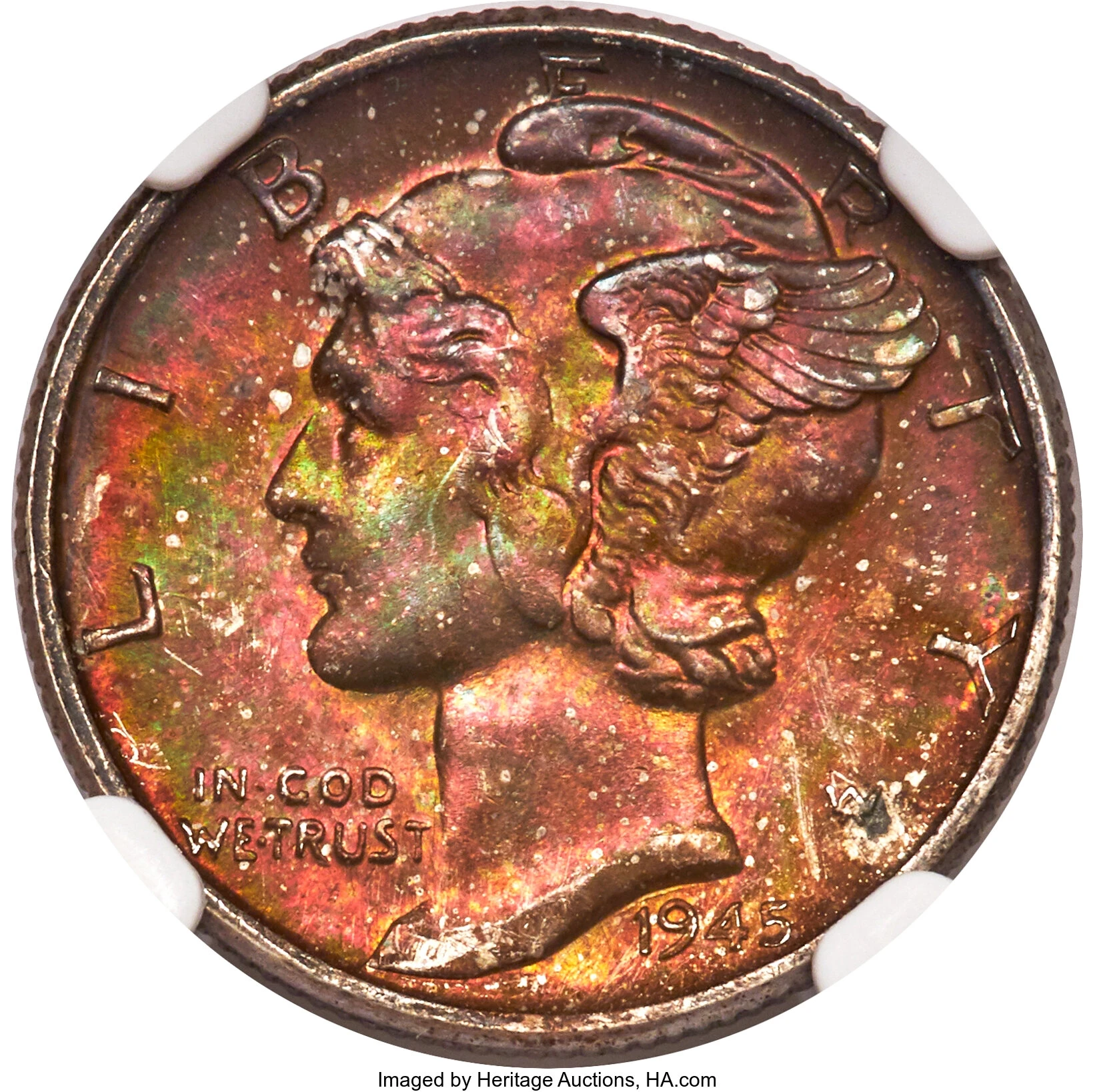
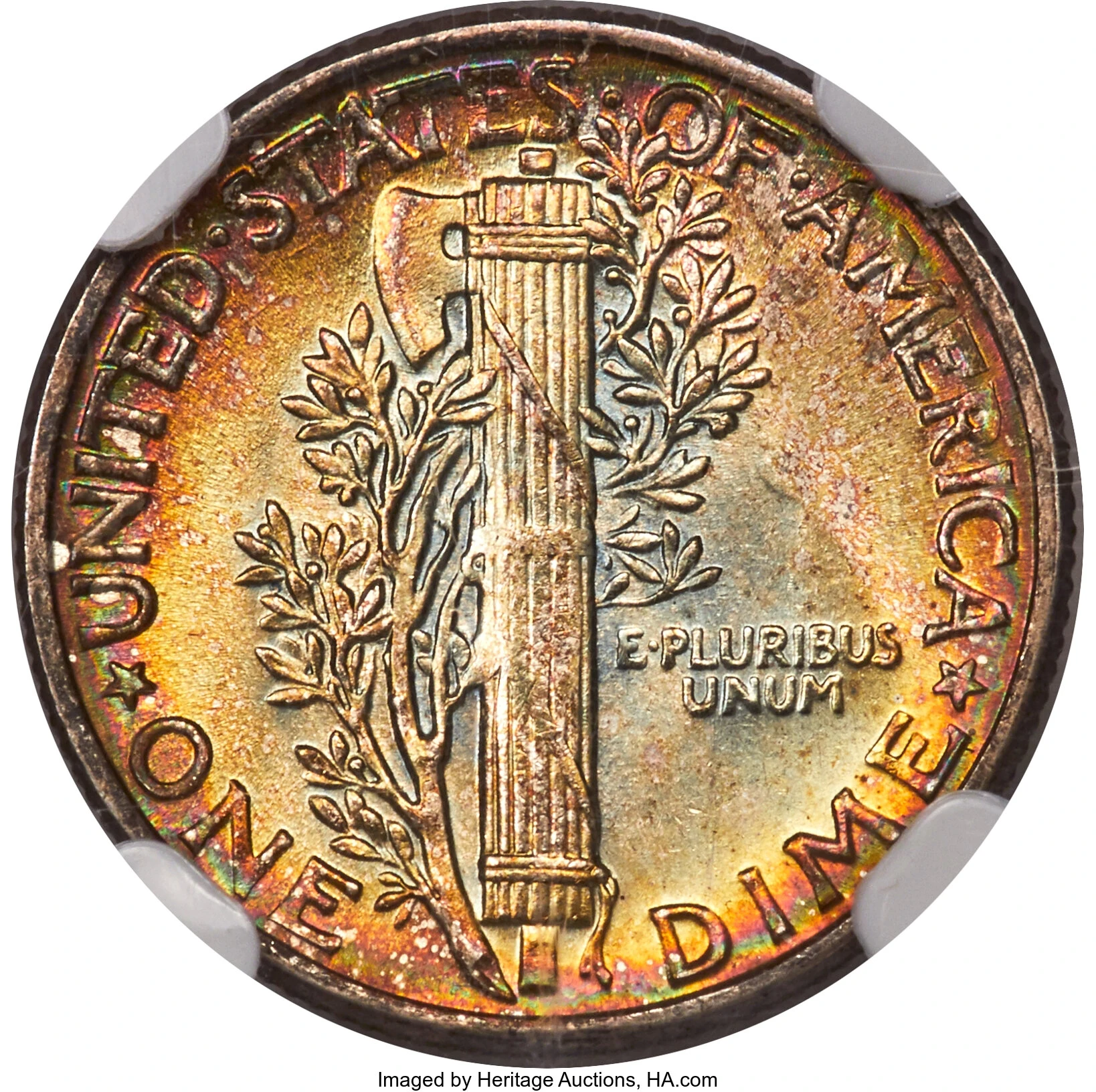
$192
September 9, 2020 · Heritage 132038, lot 25222
The obverse shows strong multicolored toning; the record does not carry FB.
PCGS MS65FB · CAC
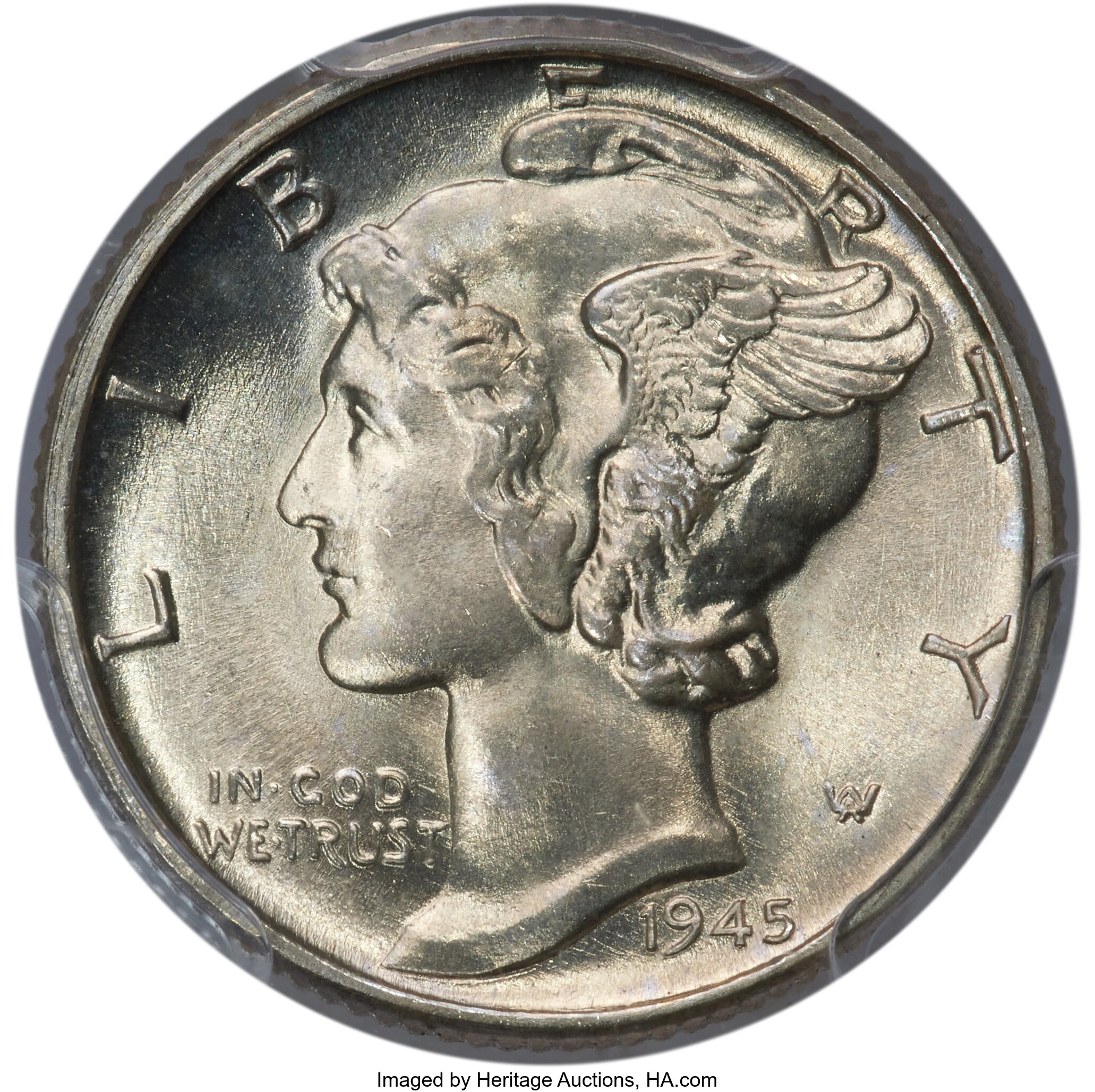
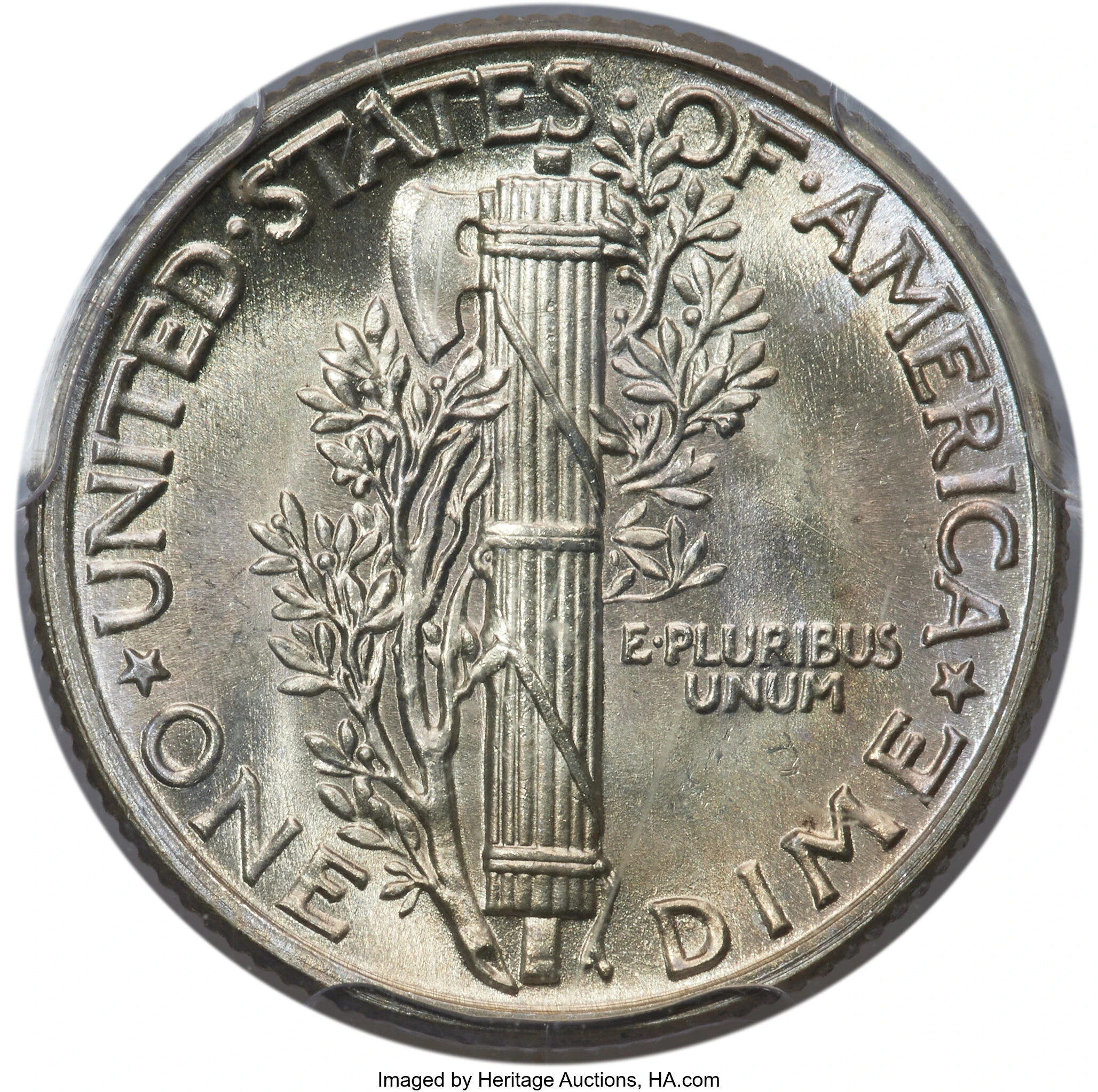
$21,960
March 26, 2026 · Heritage 1391, lot 3037
The auction catalog identifies Full Bands and CAC approval.
Where to look
Look at the horizontal band across the middle of the vertical rods on the reverse. Compare the fine separation between the two central bands from left to right. For Full Bands, this separation must be complete and uninterrupted; sharper vertical rods alone do not establish FB. The matched close-ups below isolate this feature.
Why can a tiny detail matter so much?
PCGS identifies the 1945 Philadelphia dime as particularly difficult to find with Full Bands. A common date can therefore be scarce with a desirable strike designation, even when ordinary Mint State examples are readily available.
These sales occurred nearly six years apart, and the FB coin also has CAC approval. Toning, eye appeal and sale conditions differ. The records illustrate different collecting categories; their price ratio isnot a controlled estimate of the FB premium.
Wear, weak strike and surface problems are different
AU58 vs. MS60
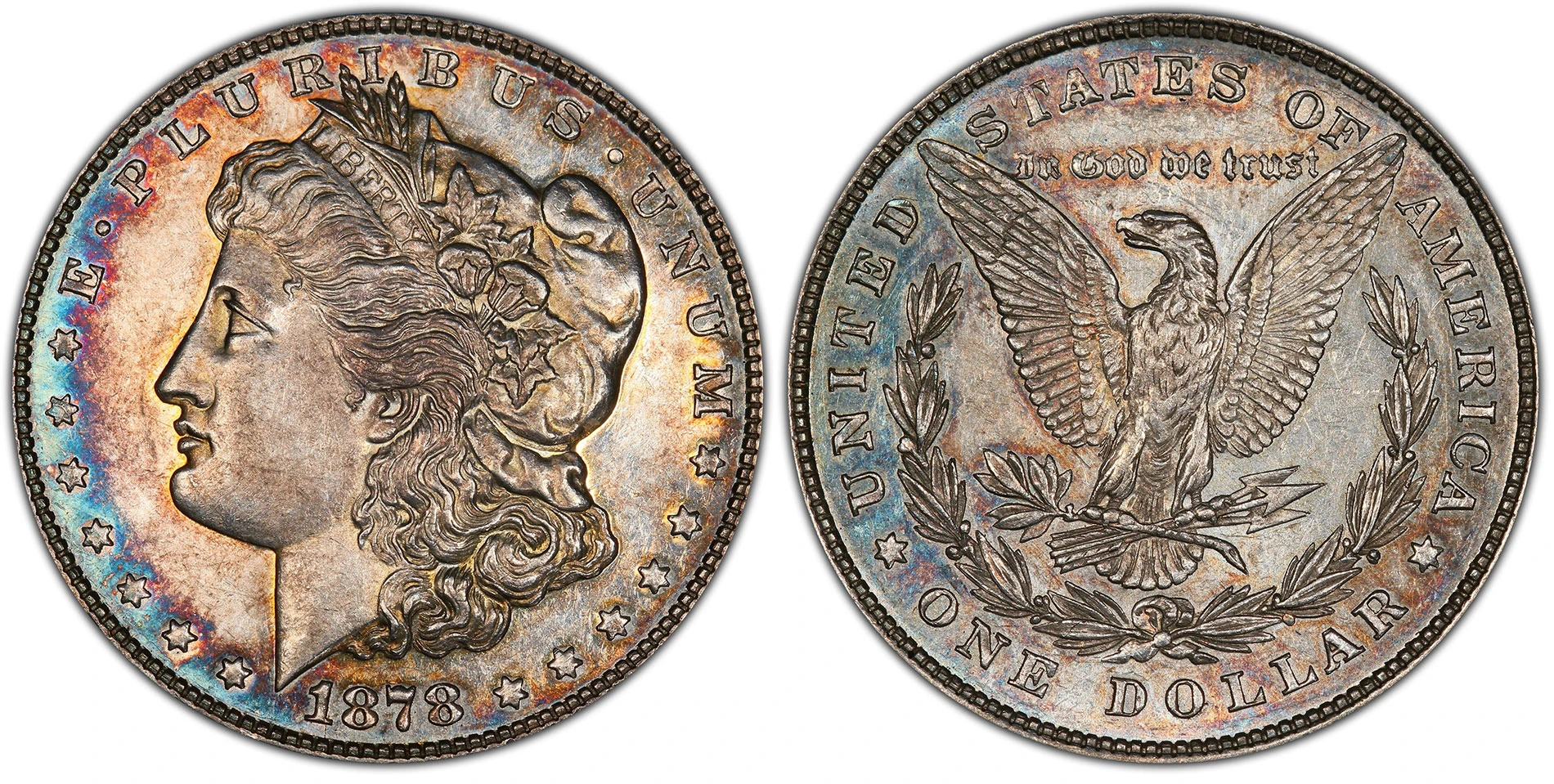
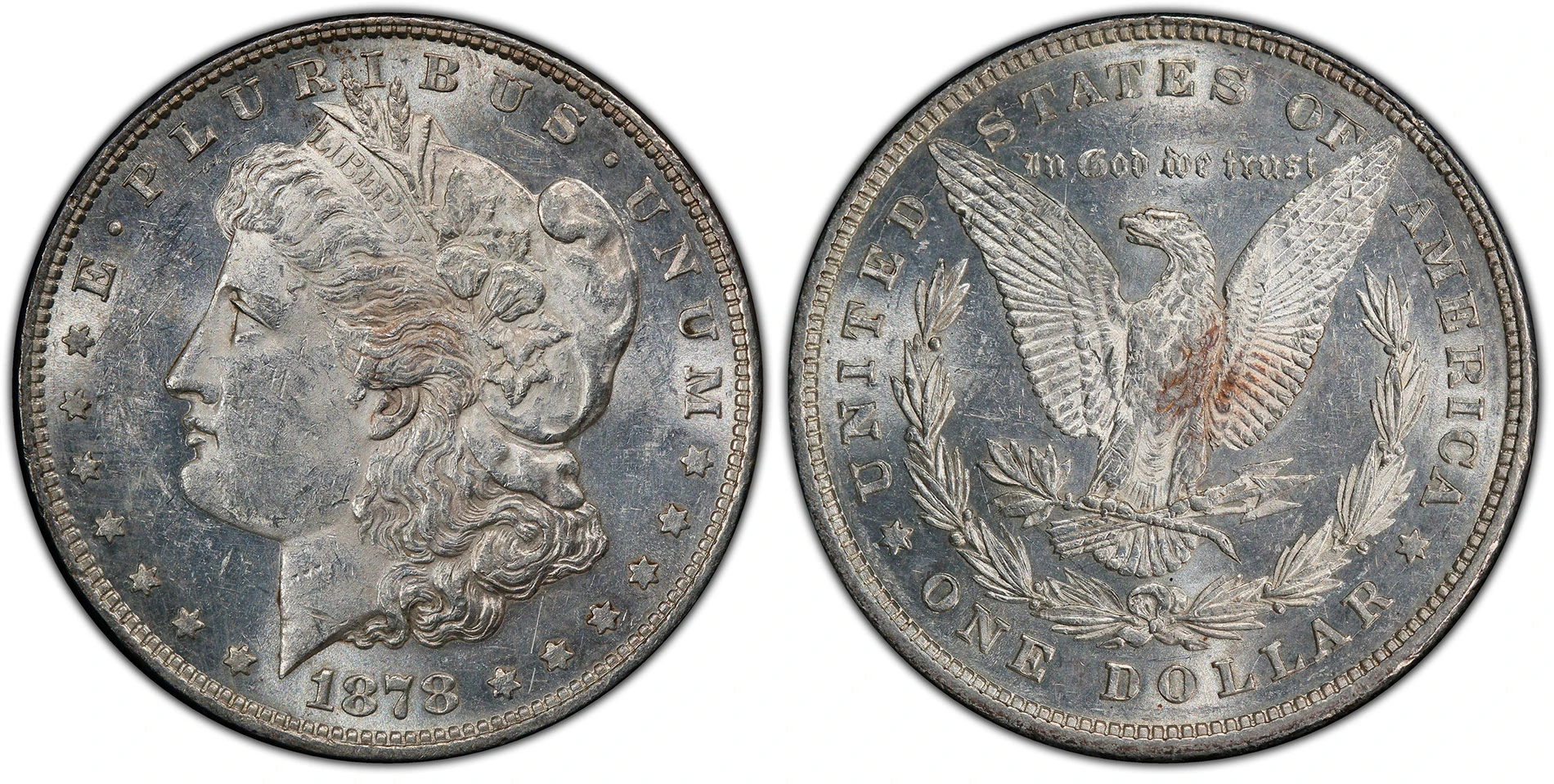
AU58 has slight wear; MS60 has no circulation wear but may have many marks. An attractive AU coin can look cleaner than a low-end Mint State coin. Appearance alone does not resolve the wear boundary.
Weak strike vs. wear
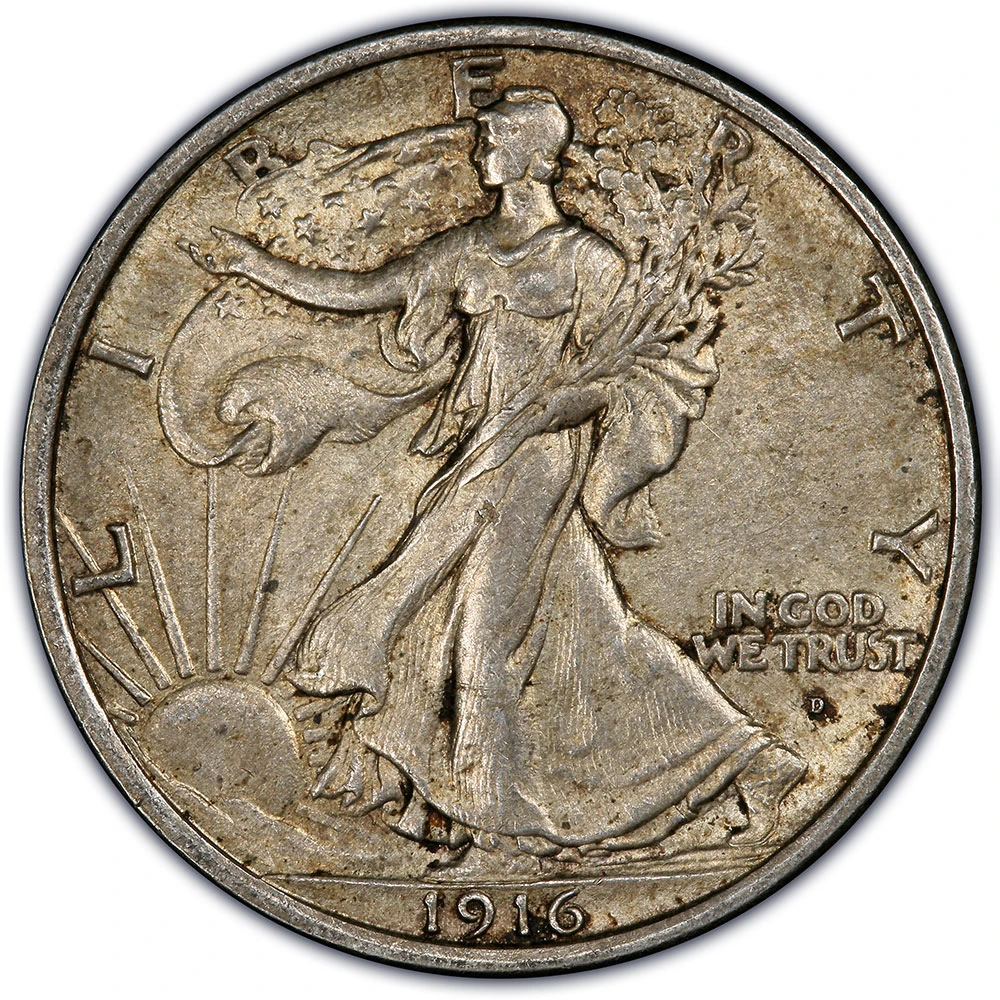
1916-D type reference from PCGS Photograde. Soft detail alone cannot establish wear: check whether luster continues across the high points.
On Walking Liberty halves, Liberty’s hand and branch stem and the eagle’s breast and leg can be incompletely struck. Softness in those areas must be assessed with surface texture and luster, not treated automatically as circulation wear.
Details grades
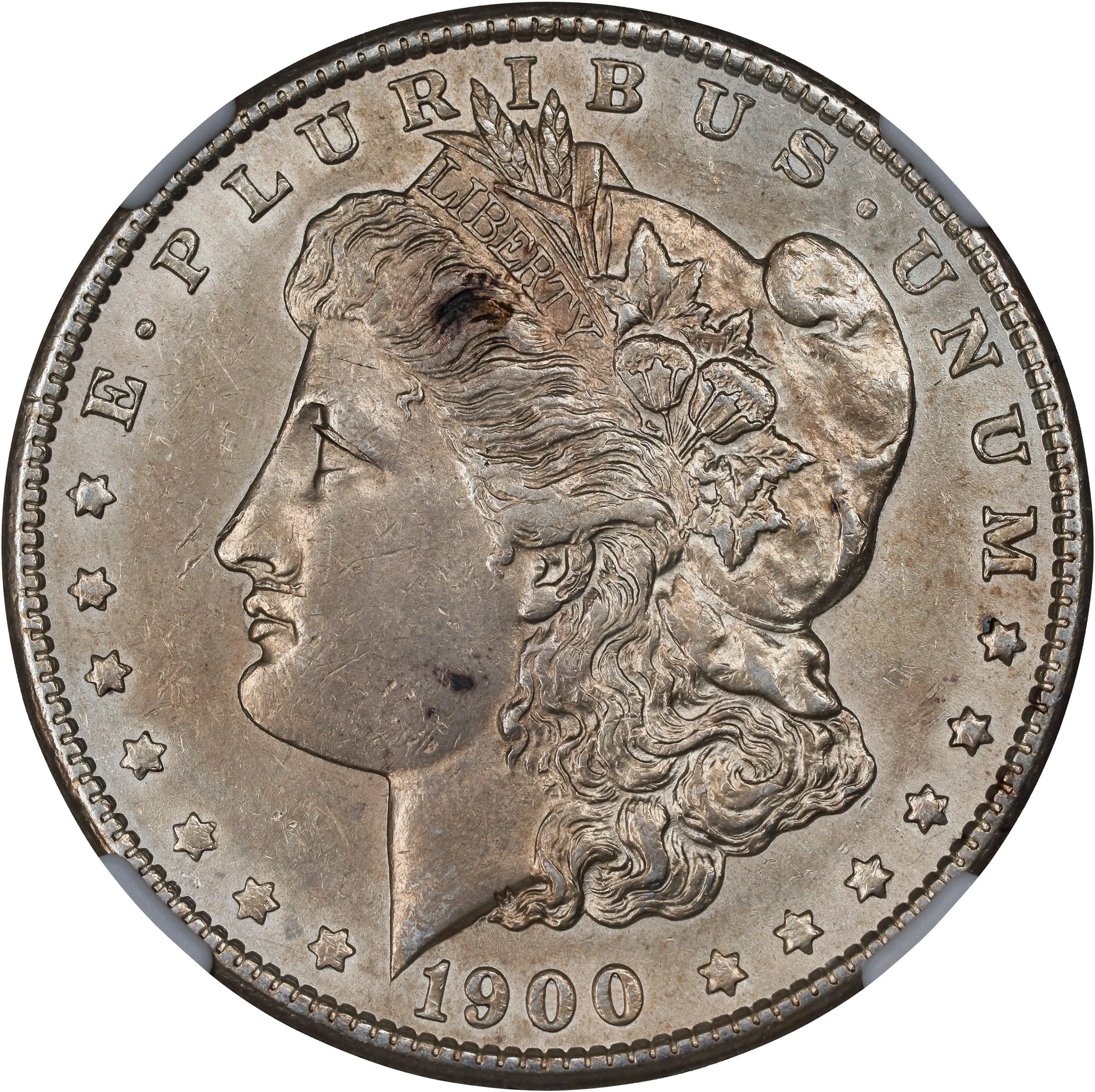
The cleaning attribution comes from the auction record. A still photograph cannot reveal every surface alteration.
A Details label records remaining detail plus a problem, such as improper cleaning. An AU Details coin is not equivalent to a problem-free coin with a numerical AU grade. Keep the entire description when comparing prices.
Proof vs. Mint State
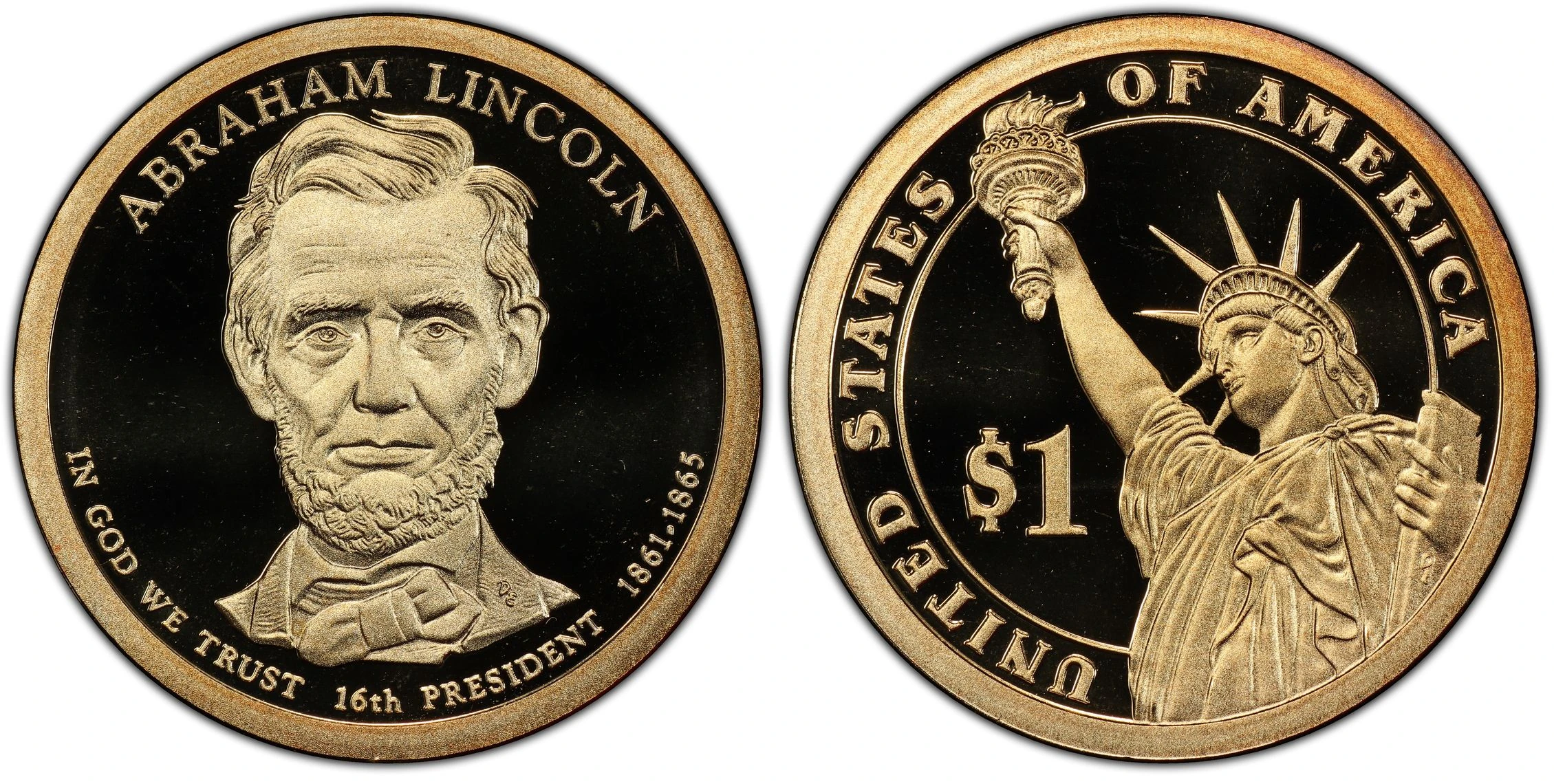
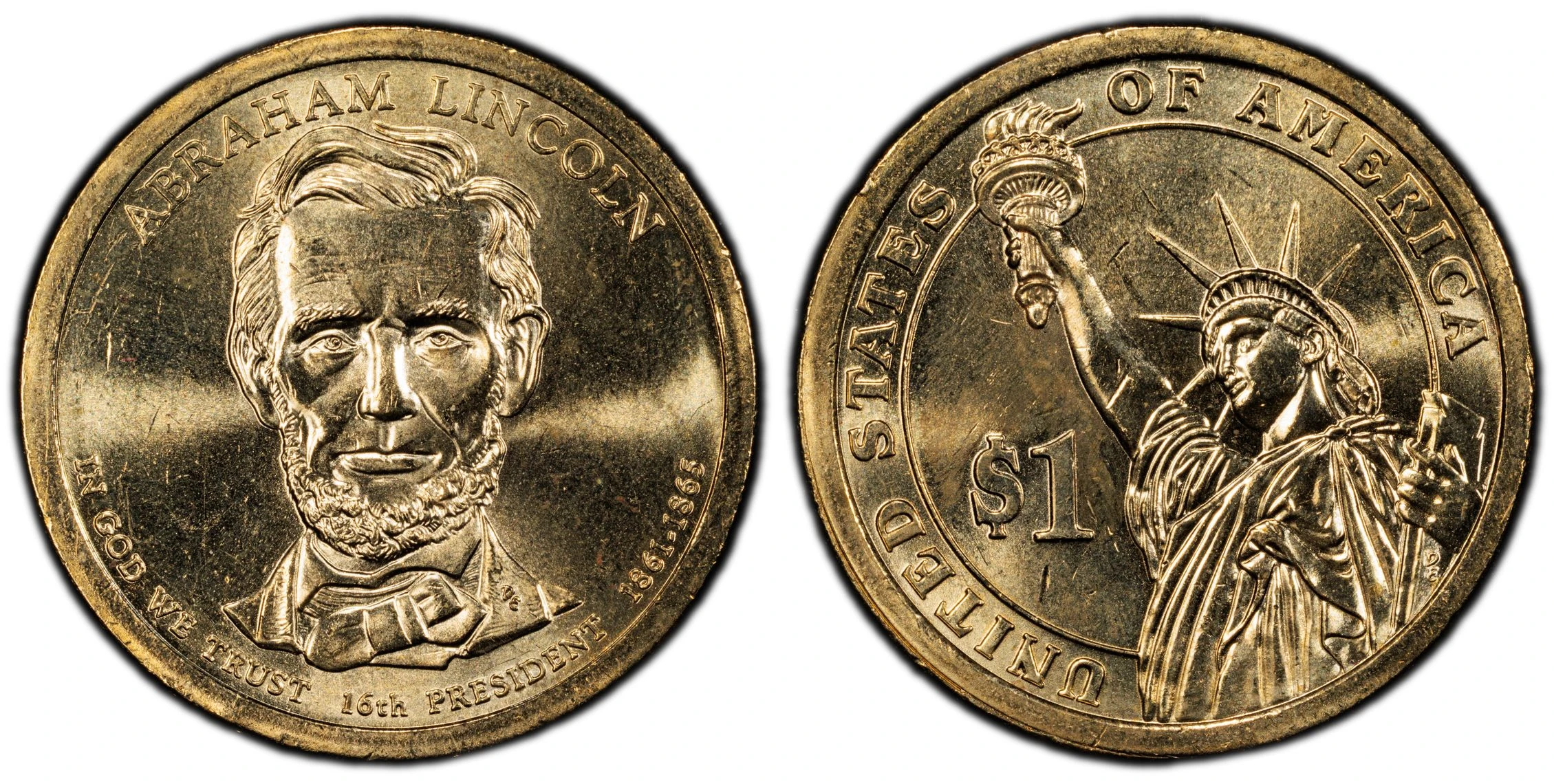
Manufacturing references, with different mint marks. Compare the frosted portrait and reflective field on this Deep Cameo Proof; not every Proof has this finish.
Proof identifies a method of manufacture. PR or PF does not mean the coin is flawless, and a shiny circulation strike is not automatically a Proof. Compare the same production category.
Handle coins by the edge and inspect both sides under changing light. Do not clean a coin to improve its appearance before assessment.
Build a comparable record before choosing a value
- Match the identity.Record denomination, type, date, mint and attributed variety.
- Read the complete condition description.Include grade, color, strike designation, surface problems and additional approval.
- Inspect the actual photographs.Look at both sides, the holder and any close-ups. Avoid choosing a comparison from the headline alone.
- Match the market context.Prefer recent sales in the same category and use a consistent buyer’s-premium basis.
Identification tools such as HeriBase can help organize the coin’s identity and photographs. A suggested identification is the starting point for research; professional grading and a documented sale answer different questions.
How to choose a useful price comparison for your coin
Start with the coin’s condition, then choose the comparable sale—not the other way around.A matching date and mint mark are only the first filter. Match the variety, strike type, full grade and any surface problems before using another coin’s price.
- If your coin is ungraded:use the photos to identify wear and areas that need closer inspection. Do not assume MS or a valuable designation from brightness alone.
- If it has a grading label:record the grading service and every designation, including RB, RD, FB or Details. A matching number alone is insufficient.
- If the results still vary:compare several recent sales, their photographs and fee basis. Use a range supported by comparable specimens rather than the highest result.
Use the 1–70 scale to describe condition, and the complete label to select the right market comparison. There is no fixed dollar increase for one grading point: the value depends on the particular issue, its scarcity at that grade, its surfaces and collector demand.
Sources and comparison method
Prepared by the Heritcoin Team, which provides coin-identification services. Sources checked September 20, 2026. Grades and prices are reported from the cited records; the case-study photographs are of those auction lots. Surface-check illustrations are separately identified teaching references. Observations here do not replace an in-hand grading opinion.